DIC LIFETEC Co., Ltd.

“Vital Spiral” Spirulina
Spirulina HOME
What is spirulina?
Nutritional elements contained in DIC Spirulina
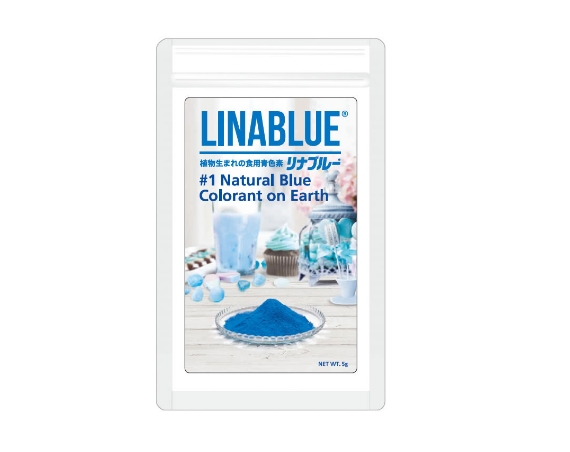
Natural blue colorant derived from DIC Spirulina
Characteristics of DIC Spirulina
Spirulina Production
Ecology
Safety of DIC Spirulina
Products lineup of DIC Spirulina

What is spirulina?

spirulina

Spirulina is a “walking” green-yellow-colored vegetable!

Spirulina is a species of seaweed belonging to the group of blue-green algae, to which an indigenous algal species growing in Fukuoka and Kumamoto Prefectures in Japan, called “Suizenji-nori,”also belongs. (Regarding the academic taxonomical classification, the spirulina variety grown by Dainippon Ink and Chemicals, Inc (current name: DIC Corporation) belongs to the species Arthrospira platensis (formerly called Spirulina platensis) under the class CYANOPHYCEAE.)

In addition to the nutritional elements typically contained in green-yellow vegetables, spirulina also contains high-quality proteins, and therefore it is considered to be a holistic dietary supplement; it has also an excellent digestive absorption rate.

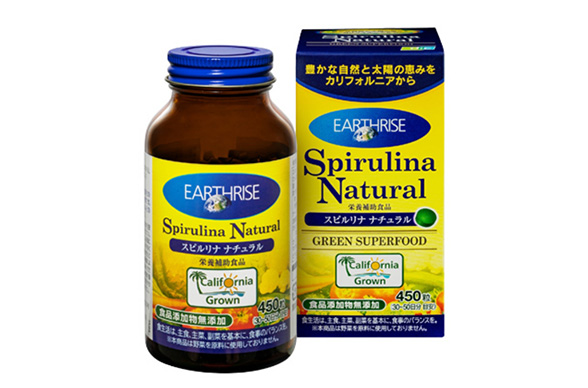
Since most of the dietary supplement products made of DIC Spirulina are distributed in tablet form, can be carried in the pocket, and are easy to be swallowed, this form of spirulina could be called a “walking” green-yellow vegetable.

vegetables

Is it the first plant or animal which appeared on The Planet?

Blue-green algae are a group of life forms which appeared on the Earth approximately 3.0 billion years ago, and spirulina belongs to this group. Spirulina has since survived without much evolution until today, and therefore it still displays primitive features, but it is a thriving life form with an extremely high vitality.

Spirulina is considered to have been born before the plant and animal kingdoms split, and therefore it is a very rare organism which has characteristics of both plants and animals.

earth

Spirulina is the “root of life.”

The blue-green algae evolved into creatures are able to assimilate the carbon dioxide dissolved in water, which led to the formation of the ozone layer around the Earth, and gradually they began releasing great amounts of oxygen. This led to the decrease in the amount of ultraviolet radiation reaching the Earth’s surface, forming an Earth environment suited for plants and animals to thrive. Then, the birth of various kinds of life forms was triggered.

A blue pigment called “phycocyanin,” which is specific to spirulina, evolved not only into chlorophyll-a, which is essential to plant photosynthesis, but also into the hemoglobin contained in the red blood cells of animals.


Was spirulina used as a food in ancient times?

Spirulina is rich in protein which is a core substance of any life forms, and the constituent amino acids thereof are ideally balanced.

Historically, humans have consumed spirulina as a food since tens of thousands of years ago. Spirulina used to be a staple food, a protein source for indigenous people inhabiting the areas around the saline lakes in Mexico and Africa.

Is spirulina a food of the future?

The United Nations has conducted a research on the possible ways to combat the upcoming population explosion and the resulting food shortage. UNIDO (United Nations Industrial Development Organization) issued a statement in 1980, according to which “spirulina will become an excellent food in the future.”

NASA(National Aeronautics and Space Administration) and JAXA (Japan Aerospace Exploration Agency) have jointly launched a research program to create a life support system which will allow humans to survive in a closed space indefinitely.

Digestive absorption rate of spirulina

  Control (casein) Spirulina
Protein intake 13.36±0.62g 11.58±0.39g
Protein in feces 0.62±0.14g 0.61±0.14g
Protein in urine 1.70±0.19g 1.10±0.27g
Digestive absorption rate 95.4±1.0% 94.7±1.3%
Protein utilization rate 82.6±0.9% 85.2±1.3%

Back to Page Top